

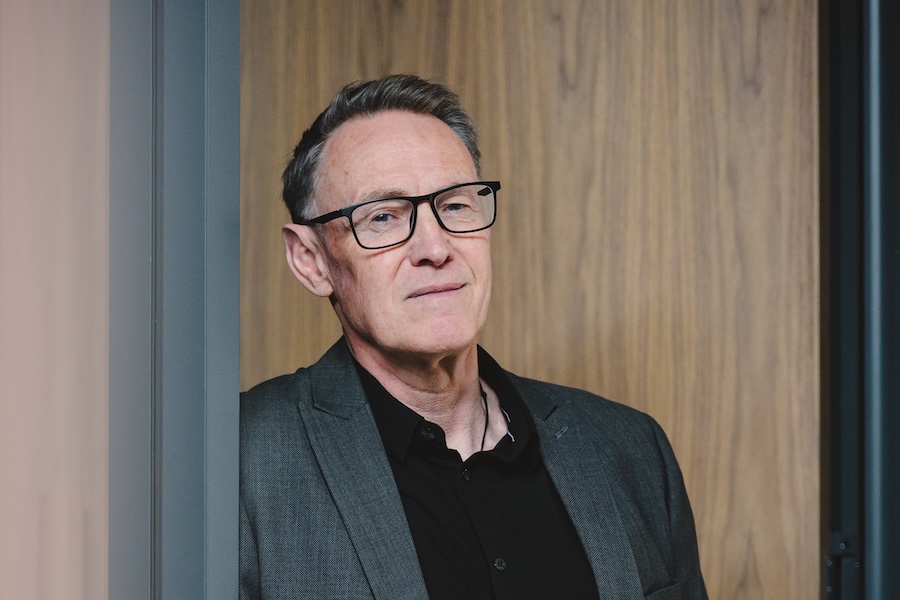
Pictured above: Mike Arand.
A New Zealand-based offshore trust administration firm is positioning itself as an unlikely but significant player in the country’s professional services export sector, with new client numbers up more than 290 percent between 2022 and 2025. Growth driven almost entirely by demand from the United States.
Southpac Group, which administers more than $6.8 billion in assets for clients across 51 countries, says it is now preparing to expand its North American referrer network, targeting attorneys and wealth advisers across the US and Canada who handle asset protection work but lack expertise in offshore structures.
The firm’s growth is being fuelled by a specific and growing anxiety among American professionals: Malpractice litigation. New US research shows close to 60 percent of obstetricians and gynaecologists, and more than half of general surgeons, report having been sued at least once during their careers, exposure that is pushing many to move personal wealth into Cook Islands and Nevis trust structures before any dispute arises.
“Most clients are professionals or company owners looking to protect assets they have spent decades building,” says Matthew Smith, a lawyer and director of business development at Southpac.
“The US legal environment is far more aggressive than what we see in New Zealand.”
For ExporterToday’s readers, the story is less about offshore finance and more about an overlooked corner of New Zealand’s services export economy.
Southpac is one of a small number of Cook Islands-licensed trustee companies with a New Zealand base, employing 26 staff locally alongside teams in the Cook Islands, Nevis and the Philippines. The US now makes up around 85 percent of its client base, with the UAE, Canada, Australia, New Zealand and the UK rounding out its largest markets.
Southpac CEO Mike Arand says the firm, the first trustee company licensed in the Cook Islands, and the administrator of more than 4,000 trusts over four decades, sees medical professionals as one of its fastest-growing client segments, with most clients holding between US$2 million and US$10 million in assets.
Arand frames the business as part of a wider, if low-profile, trade relationship.
“Offshore trust administration has quietly become a significant professional services export industry, linking New Zealand, the Cook Islands and North America,” he says, noting that offshore financial services contribute around 8 percent of the Cook Islands economy, one of its largest industries outside tourism.
The Cook Islands’ asset protection trust legislation dates to the late 1980s, designed to shield assets from future creditor claims provided the structure is established ahead of any legal action. Southpac also uses Nevis, a Caribbean jurisdiction with its own protective company law, often layering the two: a Cook Islands trust sitting above a Nevis company for added separation across jurisdictions.
It’s a sector that has long drawn scrutiny internationally, and Arand says the firm runs client vetting accordingly, covering identity verification, background and sanctions checks, and screening for politically exposed persons, declining prospective clients where there are concerns over tax transparency, criminal activity or pending legal claims. He points to the Cook Islands’ compliance record with the Financial Action Task Force, 38 of 40 recommendations met or largely met, ahead of New Zealand’s 34, as evidence the jurisdiction takes transparency seriously.
With North America expected to remain its primary growth market, Southpac’s expansion plans include a fresh round of meetings with asset protection lawyers in Los Angeles, San Diego and Canada.
Smith says the opportunity is sizeable. “There are thousands of lawyers across the US advising on domestic asset protection, but many still do not fully understand offshore structures. That represents a significant growth opportunity for us.”