

New Zealand’s horticulture sector is set to reach a new export high, with revenue forecast to climb five percent to $9.2 billion in the year to 30 June 2026, according to the Ministry for Primary Industries’ latest Situation and Outlook for Primary Industries (SOPI) report.
Horticulture New Zealand (HortNZ) says the strong outlook highlights the industry’s growing contribution to the national economy, as it also marks 20 years since the organisation was formed to represent growers across fruit, vegetable and berry sectors.
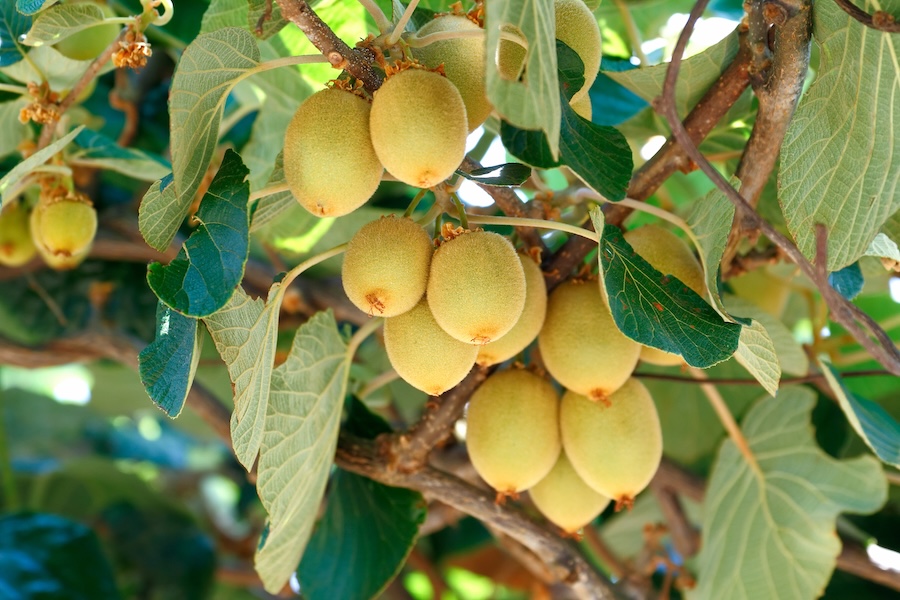
Kiwifruit remains the largest export earner, with revenue forecast to rise four per cent to $4.3 billion, driven by “another good season increasing yields and continued strong prices”.
Apples have reached a major milestone, with favourable growing conditions for the 2025 crop delivering an early harvest and “good fruit size and quality contributing its $1 billion export milestone”.
A large cherry harvest is expected to lift cherry export revenue by five per cent to $130 million, while vegetable export revenue is projected to rise modestly.
HortNZ chief executive Kate Scott says the forecast will be welcomed by growers and regional communities.
“New Zealand’s world-class horticulture sector continues to build momentum, which is great news.”
She says growers, exporters and supply chain partners have shown resilience, including through recent weather events.
“Our growers, exporters and supply chain partners have shown real resilience and dedication in the face of challenges such as flooding at the top of the South Island.
They can be very proud of their hard work to ensure quality and nutritious New Zealand fruit and vegetables is on tables around the globe.”
However, Scott cautions that strong export earnings do not always translate to on-farm profitability.
“While the export outlook is positive, stronger export earnings do not always flow through to the farm gate. Growers continue to face significant cost pressures, which can limit the impact of higher returns.”
She says long-term growth depends on growers being able to capture value.
“For the sector to grow and invest with confidence, horticulture businesses need to be profitable. Ensuring growers are able to capture value is essential to the long-term strength and sustainability of the industry.”
The positive outlook supports the sector’s ambition to double farmgate value by 2035, as set out in the Aotearoa Horticulture Action Plan (AHAP).
“It also underlines the importance of policy settings that enable growers to produce nutritious, affordable fruit and vegetables efficiently and sustainably,” Scott says.
She says growers are particularly focused on proposed planning law reforms.
“We are particularly looking forward to further detail on the proposed planning law reforms, including how they address commercial vegetable production, water storage, environmental limits and freshwater standards.
We know vegetable growers, in particular, have faced uncertainty in recent years and will be hoping these reforms deliver clearer, more practical and workable rules.”
The strong export forecast comes as HortNZ marks 20 years since it was formed on 1 December 2005, following the merger of three long-standing grower bodies dating back to 1916.
HortNZ chair Bernadine Guilleux says the original goal was to unite growers and provide a strong, coordinated voice.
“Twenty years on, the value of critical mass and co-ordinated, cross-sector effort is clear.”
She notes that horticulture has grown from eight per cent of primary sector exports in 2005 to 14 per cent today.
“Sustained investment in research, innovation and advocacy has helped shape a profitable, sustainable sector respected worldwide.”
Key milestones over the past two decades include the creation of the Recognised Seasonal Employer (RSE) scheme, the development of New Zealand Good Agricultural Practice (NZGAP), and industry-wide responses to Covid-19 and the Psa outbreak in kiwifruit.
“New Zealand’s RSE scheme is now a global benchmark for ethical seasonal labour, providing growers with a reliable workforce while delivering significant economic and social benefits for Pacific communities,” Guilleux says.
“NZGAP has become one of horticulture’s most significant achievements, giving growers a trusted domestic assurance system that meets the expectations of regulators, retailers and increasingly discerning consumers.
And the sector’s response to Psa turned a crisis into a platform for future growth. Kiwifruit is now a key driver of record export revenue.”
Although grower numbers have consolidated from more than 7,000 in 2005 to around 4,300 today, the total area under horticultural production has increased.
Guilleux says technology and innovation are reshaping the industry.
“Protected cropping, precision horticulture, improved water management and automation are transforming how we grow. Alongside kiwifruit, crops such as apples, cherries and berries are now securing strong premiums around the world thanks to new genetics, market development and post-harvest advances.”
She says the same collaborative approach will be needed to achieve the AHAP goal.
“The same spirit of collaboration that had defined the past 20 years will be critical to achieving this ambition.
It’s the hard work, commitment and passion of growers – producing high-quality food for New Zealand and the world – that has made this milestone possible.”