

New Zealand wine earns less than half a million dollars a year in India, behind a 150% tariff. That wall has now started to come down, in a year when growers at home picked 15% less fruit.
New Zealand wine exporters have improved access to India, with the India-New Zealand Free Trade Agreement (FTA) entering into force on 20 October.
Tariffs on eligible New Zealand wine will fall over ten years from 150 percent to either 50 percent or 25 percent, depending on the wine’s value.
The agreement also carries a Most Favoured Nation commitment for wine. If India grants another country better wine tariffs in a future FTA, eligible New Zealand wine automatically gets the same treatment.
New Zealand Winegrowers (NZW) chief executive Anishka Jelicich says the speed of ratification has already paid off, securing the preferential rates negotiated under the EU-India FTA.
“Those tariff reductions are more substantial and would not have been available to us if the EU deal had entered into force first,” she says.
A dedicated annex on wine and spirits sets up a working group on technical matters, labelling and certification.

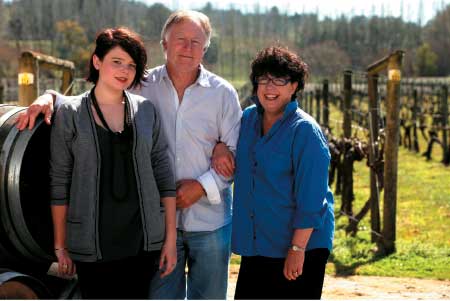
Anishka Jelicich.
A small base in a big market
New Zealand wine exports to India grew 48 percent in the last year, but to just under $438,000.
India’s wine market is concentrated in Mumbai, Delhi and Bengaluru. The three cities account for half the country’s wine consumption and are home to around 70 million people, a population comparable to the United Kingdom’s.
Demand is rising. Maharashtra, the state that includes Mumbai, sold a record 13 million litres of wine in the year to March 2026, and India’s wine imports grew 14% by volume in 2025.
Red wine makes up a significant share of those imports, which NZW says creates openings for styles beyond Sauvignon Blanc.
The tariff cut is only the first step. Sonal C Holland, India’s only Master of Wine, told NZW’s Wine Business Forum in Wellington that the FTA removes a significant barrier, but that long-term success will take commitment, patience and strong local relationships.
“India remains largely untapped for New Zealand wine, so our focus is on helping our members assess the opportunity through practical market intelligence and insights, connections with key stakeholders and opportunities in-market to build their brands,” Jelicich says.
NZW and New Zealand Trade and Enterprise are taking a 20-strong contingent of businesses to the ProWine Mumbai trade fair this month.

Sonal C Holland.
Exports up, harvest down
The new access arrives as the industry rebalances. NZW’s 2026 Annual Report, released in September, shows wine exports reached $2.108 billion in the 12 months to June 2026, on volume of 306.2 million litres.
Overall sales rose 8%, driven by exports, and the result is the industry’s second-highest June-year total on record.
Vintage 2026 came in at about 440,000 tonnes, down 15 percent on the previous year. NZW says the smaller harvest brings production into closer balance with current market demand.
“This has been a challenging year across the global wine industry, but New Zealand wine continues to show remarkable resilience,” says NZW chair Fabian Yukich.
“Businesses in the sector are making adjustments, the progress made this year gives us confidence that it is moving towards a more balanced footing.”
Jelicich, who was appointed chief executive in July, says NZW’s new strategy is designed to give growers and wineries “the information, advocacy, and practical support they need to make well-informed decisions”.