

Kiwifruit and apples have both set export records. Behind the headline number, growers’ costs are rising almost three times as fast as the prices they get at home, and half of one sector’s production is about to disappear.
New Zealand’s fresh fruit and vegetable exports reached $7.32 billion in the past year, up 7 percent, according to Fresh Facts 2026, released today by United Fresh New Zealand.
The industry body says the result keeps the sector on track to meet the Government’s goal of doubling exports by 2034.
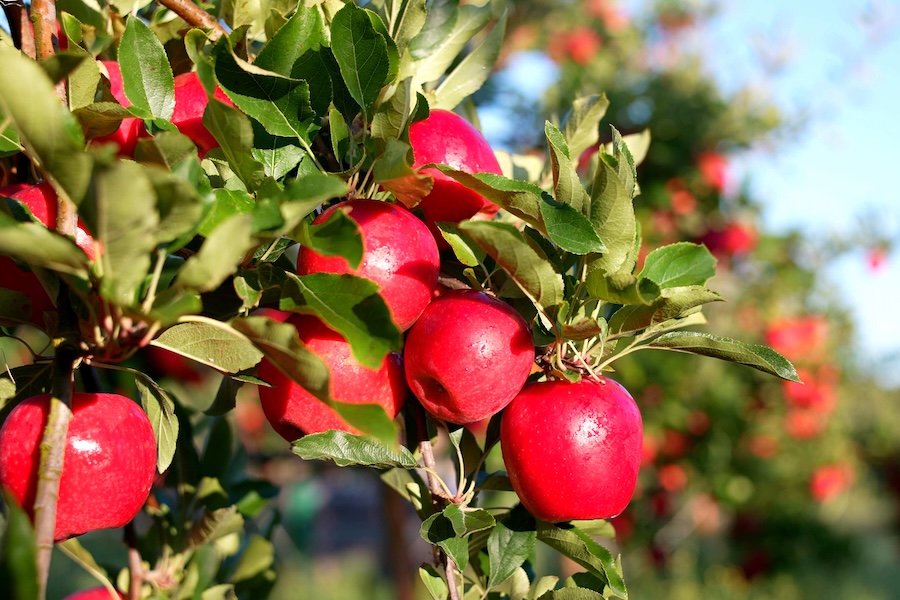
Kiwifruit and apples led the growth. Kiwifruit export earnings rose 14 percent to $4.2 billion, while apple exports increased 6.1 percent to a record $1.31 billion. Fresh and processed potato exports also hit a record, at $155 million.
Fresh fruit made up $6.2 billion of the export total, with processed fruit and vegetables at $655 million and fresh vegetables at $276 million.
Asia remains the main destination, taking 55 percent of exports, mainly fresh fruit. The EU and wider Europe account for 23 percent.
The annual fact book puts the total value of the fruit and vegetable industry at $9.87 billion, including $2.55 billion in domestic spending.
United Fresh president Jerry Prendergast says the export result is significant given the pressure on growers.
Growers’ production costs rose 6.2 percent in the year to June 2026, with fuel up 59.3 percent, fertiliser up 16.5 percent and freight up 12.5 percent. Over the same period, fresh fruit and vegetable prices increased 2.2 percent, against overall inflation of 4.1 percent.
“While fresh produce prices have remained relatively stable for consumers, the cost of getting fruit and vegetables from the orchard or field to market continues to rise,” Prendergast says.
“Maintaining a strong and sustainable industry requires growers and producers to achieve returns that allow them to reinvest in their businesses.”
Not every sector shared in the growth. Cherries, squash, onions, avocados and processed vegetables all recorded lower export volumes, which United Fresh attributes to climate and market conditions.
Processed vegetables face the steepest drop. The announced closure of four processing factories has contributed to declining planted areas, and production is forecast to fall 50 percent in the coming year.
“This is a serious concern for the industry and reinforces the importance of maintaining processing capacity, investment and resilient supply chains,” Prendergast says.
Avocado exporters are continuing to reduce their traditional reliance on Australia. In 2025/26, 75 percent of avocado exports by value went to other markets.
Prendergast says the export figures are encouraging, “but continued investment, innovation and collaboration will be essential to sustaining that growth”.